- 1Movie Overview
- 2Direction & Cinematography
- 3Cast & Performances
- 4Character Psychology
- 5Themes & Emotional Depth
- 6Memorable Scenes & Dialogue
- 7The Ending — Does It Deliver?
- 8What Works
- 9Honest Criticism
- 10How It Compares
- 11Legacy & Cultural Impact
- 12Behind the Scenes
- 13Who Should Watch It?
- 14Final Verdict
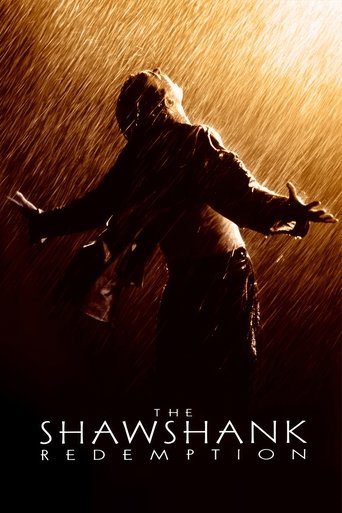
- Genre: Drama, Crime
- Director: Frank Darabont
- Year: 1994
- Runtime: 2h 22m
- Language: English (EN)
- TMDB Rating: ⭐ 8.7/10
Movie Overview
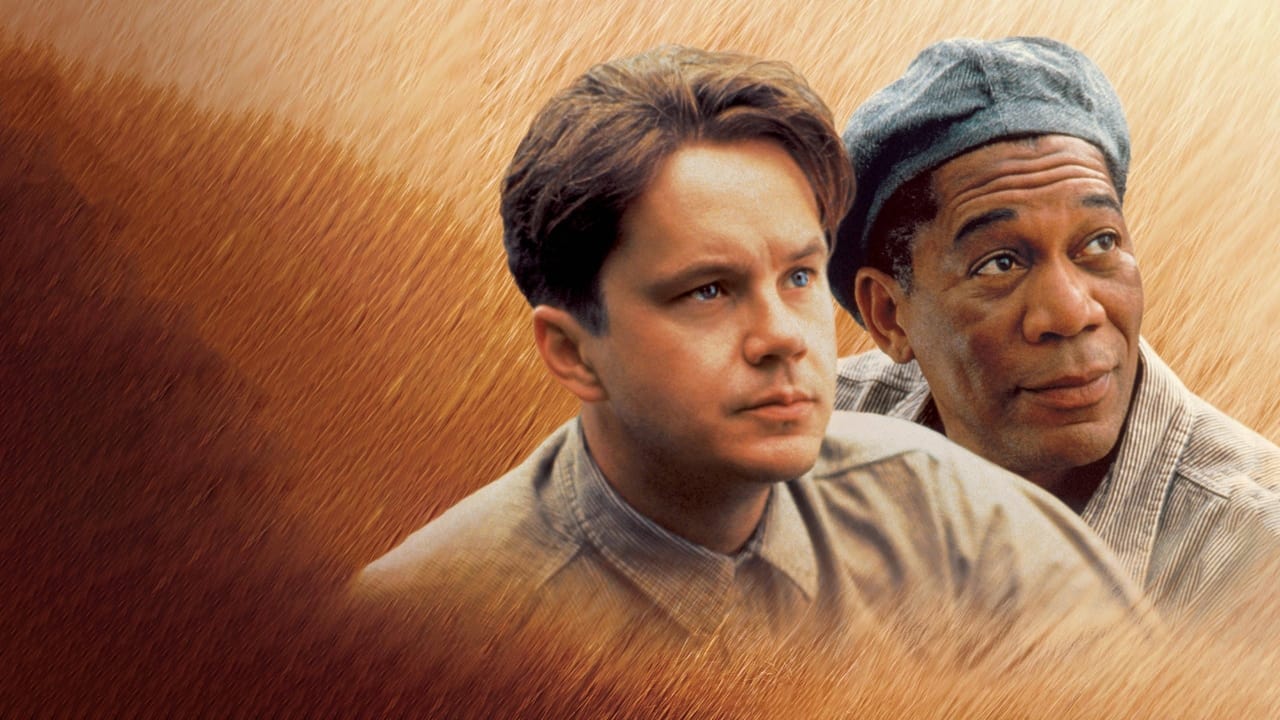
The Shawshank Redemption opens with banker Andy Dufresne, played by Tim Robbins, being sentenced to two life terms for the murder of his wife and her lover. At first glance, this seems like a bleak story of an innocent man trapped in a corrupt prison system. But as Andy navigates the brutal realities of Shawshank, he begins forming an unexpected bond with fellow inmate Red, played by Morgan Freeman. Their friendship becomes a central thread throughout the film, showcasing how hope can flourish in even the darkest of places.
As the years unfold, Andy uses his financial skills to win favor with the prison's warden, creating a complex dynamic where he becomes both a helper and victim within the corrupt system. His unwavering hope and determination to regain his freedom stand in stark contrast to the despair that surrounds him. What surprised me most was how, instead of succumbing to hopelessness, Andy's spirit seems to actually inspire those around him, particularly Red.
The conflict deepens with the introduction of various challenges, including the oppressive warden, the violent prison environment, and the loss of fellow inmates. Andy’s relentless pursuit of a better life culminates in a series of poignant scenes that blend tension with moments of humanity. There’s a sense of time passing that’s captured beautifully, even in the monotony of prison life.
The emotional arc concludes with Andy's escape, which I won’t spoil, but it beautifully ties all the threads together — hope, friendship, and freedom intertwine in a way that feels earned and deeply satisfying. What stays with me after the credits is the message that hope is a choice, and it's sometimes the hardest choice to make.
Direction & Cinematography
Frank Darabont directs with a steady hand, immersing the audience in the grim atmosphere of Shawshank prison. One shot that stands out occurs when Andy first arrives; the camera slowly pans across the faces of the inmates, capturing their judgment and curiosity. It establishes the high stakes for Andy right from the start. I noticed how every detail, from the prison's foreboding walls to the flickering lights, contributes to a sense of entrapment and despair.
But it’s not just bleakness; the pacing balances moments of tension with small victories. The scenes where Andy and Red share quiet conversations by the yard create a surprisingly tender tone amidst the surrounding violence. Darabont's ability to pace these interactions allows viewers to invest in their friendship, making later events more impactful. The film often contrasts moments of brutal reality with fleeting instances of hope, and that delicate balance is what keeps the viewer engaged.
What struck me was Darabont's use of sound and silence. In particular, during the scene where Andy plays Mozart over the prison loudspeakers, the contrast between the music and the surrounding violence offers a profound moment of peace, even if brief. It’s a masterclass in how sound can frame emotion, making the viewer feel the weight of freedom that Andy longs for.
Cast & Performances
Tim Robbins delivers a nuanced performance as Andy Dufresne, capturing both his vulnerability and quiet strength. One moment that resonates is when Andy initially confronts the warden, his stoic demeanor speaking volumes about his determination. Robbins' choice to underplay many of his reactions adds an intriguing layer to a character who is often at the mercy of others.
Morgan Freeman's portrayal of Red is equally compelling. His gravelly voice adds a layer of wisdom and relatability. I kept waiting for a more overt emotional breakdown when Red faces his parole board — and it never came. Instead, Freeman opts for a subtle portrayal of disappointment that’s far more impactful. His subtlety in expressing emotion feels authentic and offers a grounded contrast to Andy’s idealism.
Bob Gunton as Warden Norton embodies corrupt authority with chilling precision. His line about the prison being a place for rehabilitation rings hollow, making it clear he’s in it for the power and money. Gunton’s performance drives home the harsh reality Andy fights against. However, at times, his character feels a bit one-dimensional compared to the richly developed main characters, which detracted slightly from the overall narrative complexity.
Character Psychology
On the surface, Andy Dufresne wants to prove his innocence and secure his freedom. However, what he truly needs is connection and hope, elements he finds in his friendship with Red. I wasn’t expecting such depth in a prison film, but it reveals the importance of humanity amidst despair. Andy's quiet resilience and refusal to give in to hopelessness showcase an inner strength that only solidifies as the story unfolds.
Red’s journey, on the other hand, illustrates a man who has resigned himself to life in prison. Initially, he doesn’t believe in hope — he needs to learn to trust again and find purpose beyond the walls of Shawshank. By the end, there’s a transformative moment where he recognizes that hope is essential to survival, though he grapples with the fear of a world he no longer understands.
Themes & Emotional Depth
The Shawshank Redemption delves deep into themes of hope and friendship in the bleakest of circumstances. One powerful moment occurs when Andy states, "Get busy living, or get busy dying." This line encapsulates the film's exploration of choice and agency, even in a place designed to strip away dignity and identity. The friendship between Andy and Red also reinforces the idea that companionship can provide a lifeline amid despair.
Additionally, the film critiques institutional corruption and the dehumanizing nature of the prison system. The character of Warden Norton exemplifies how power can corrupt, showing that for many, prison is not a place for redemption but a tool for exploitation. This critique is woven subtly into the narrative, allowing it to resonate beyond the confines of Shawshank itself.
Memorable Scenes & Dialogue
One standout scene occurs when Andy plays the opera music over the prison loudspeakers. The stunned silence among the inmates, many of whom are hardened criminals, captures the moment of beauty amidst their grim reality. The way the camera pans over their faces, reflecting a range of emotions — from confusion to longing — makes it a powerful moment that showcases the transformative power of art.
Another memorable moment is the rooftop scene where Andy offers to help the guards with their tax issues in exchange for a cold beer for his fellow inmates. This simple act of defiance serves both as a small rebellion and a way to assert his dignity. In this moment, Robbins' choice to smile despite the dire circumstances is a testament to Andy's character and his ability to find joy in the bleakest of places.
The Ending — Does It Deliver?
The climax of The Shawshank Redemption delivers a staggering payoff, culminating in Andy’s escape that feels both earned and surprising. The journey to this moment is filled with hardships that shape both Andy and Red, creating an emotional payoff that resonates. The way the film builds tension through subtle hints about the escape prepares the audience for a revelation that’s both thrilling and satisfying.
The final shot left me with a sense of hope and liberation as we see Andy on the beach in Zihuatanejo. It encapsulates everything he strived for — not just freedom, but the ability to live fully again. What stayed with me is the image of two friends finding solace in each other’s company, suggesting that while the journey may be fraught with difficulty, hope is always within reach.
What Works
What works exceptionally well in The Shawshank Redemption is its rich character development and the friendship between Andy and Red. The way their bond evolves from mere acquaintances to deep friends feels authentic and relatable. I particularly appreciated Andy's clever moments, like when he offers to help the guards with their taxes; it’s a brilliant display of quick thinking that also humanizes the inmates. Plus, the cinematography captures the stark contrasts of prison life beautifully, particularly during the opera scene, which is expertly framed to highlight the emotional weight of the moment.
Honest Criticism
What bothered me slightly was the pacing in the middle of the film. While the time spent in Shawshank is important for character development, there are moments that feel drawn out, particularly in the interactions with other inmates who don’t add much to the overall story. Characters like Brooks and his storyline, while poignant, feel somewhat disconnected from Andy’s primary arc. This results in a slight loss of momentum as we move toward the climax, which could make it challenging for some viewers to stay fully engaged.
How It Compares
When comparing The Shawshank Redemption to films like The Green Mile and One Flew Over the Cuckoo's Nest, it’s clear that Shawshank excels in its deep exploration of friendship and hope. While The Green Mile also delves into themes of humanity and kindness, it doesn’t quite capture the same level of emotional resonance as Andy and Red’s story. On the flip side, Cuckoo's Nest offers a more nihilistic view of institutional life, which can overshadow the potential for redemption that Shawshank emphasizes.
However, where Shawshank falls short compared to these films is in its pacing during some middle sections. Moments drag as the narrative stretches over decades, which could lose some viewers — unlike the more concise emotional arcs seen in its counterparts. Still, it's the emotional depth of Shawshank that solidifies its place in cinematic history.
Legacy & Cultural Impact
The Shawshank Redemption has achieved a lasting legacy since its release in 1994, receiving seven Academy Award nominations, including Best Picture. Despite initially underperforming at the box office, it has become a beloved classic, often topping 'greatest films' lists. Its exploration of resilience and friendship has inspired countless discussions and interpretations, making it a cornerstone in the genre of prison dramas. Its influence is felt in later films that tackle similar themes, often aspiring to reach the emotional heights that Shawshank achieved.
In recent years, the film has spurred conversations about hope and redemption, particularly in how society views rehabilitation versus punishment. This dialogue keeps the film relevant, proving that its core messages resonate even decades later.
Behind the Scenes
Tim Robbins was not the studio's first choice for Andy Dufresne; they initially considered actors like Tom Hanks and Kevin Costner. Interestingly, the film's famous line about hope being a dangerous thing was inspired by a quote from Stephen King's novella. Additionally, the famous scene involving the opera music was filmed during a 14-hour shoot, and it was so cold that many extras were wearing coats, which had to be digitally removed in post-production.
Who Should Watch It?
Fans of character-driven dramas will love The Shawshank Redemption, especially those who appreciate stories about resilience and friendship. Viewers looking for action-packed thrillers or traditional crime dramas might want to skip it, as this film leans more into emotional depth than high-stakes conflict.
Final Verdict
I highly recommend The Shawshank Redemption as a film that beautifully combines powerful performances with an emotionally engaging story. The nuanced exploration of hope and friendship within a prison setting sets it apart from typical dramas. If you're seeking a film that challenges you to reflect on the human spirit, this is one worth watching.
More details, ratings, and cast information on IMDb, TMDB, Wikipedia. Watch the official trailer on YouTube →