- Genre: Drama, History, War
- Director: Steven Spielberg
- Year: 1993
- Runtime: 3h 15m
- Language: EN
- TMDB Rating: ⭐ 8.6/10
- Editor’s Rating: ⭐ 8.5/10
Movie Overview
Oskar Schindler arrives in Krakow as a Nazi Party member and opportunistic businessman. He sees a chance to profit from the war by employing Jewish laborers in his enamelware factory. His initial goal is simple: wealth and status. The systematic brutality of the Krakow ghetto's liquidation, however, begins to shift his perspective. I found myself drawn into his gradual, reluctant awakening. His factory manager, Itzhak Stern (Ben Kingsley), becomes the moral compass Schindler lacks, quietly steering the operation toward saving lives instead of just making money. The central conflict becomes internal. Schindler must reconcile his selfish desires with the growing imperative to act. Amon Goeth (Ralph Fiennes), the volatile commander of the nearby Plaszow concentration camp, embodies the cruel indifference Schindler must outwardly emulate to survive. The emotional journey charts a man learning to use the very system of exploitation as a tool for salvation.
Direction & Cinematography
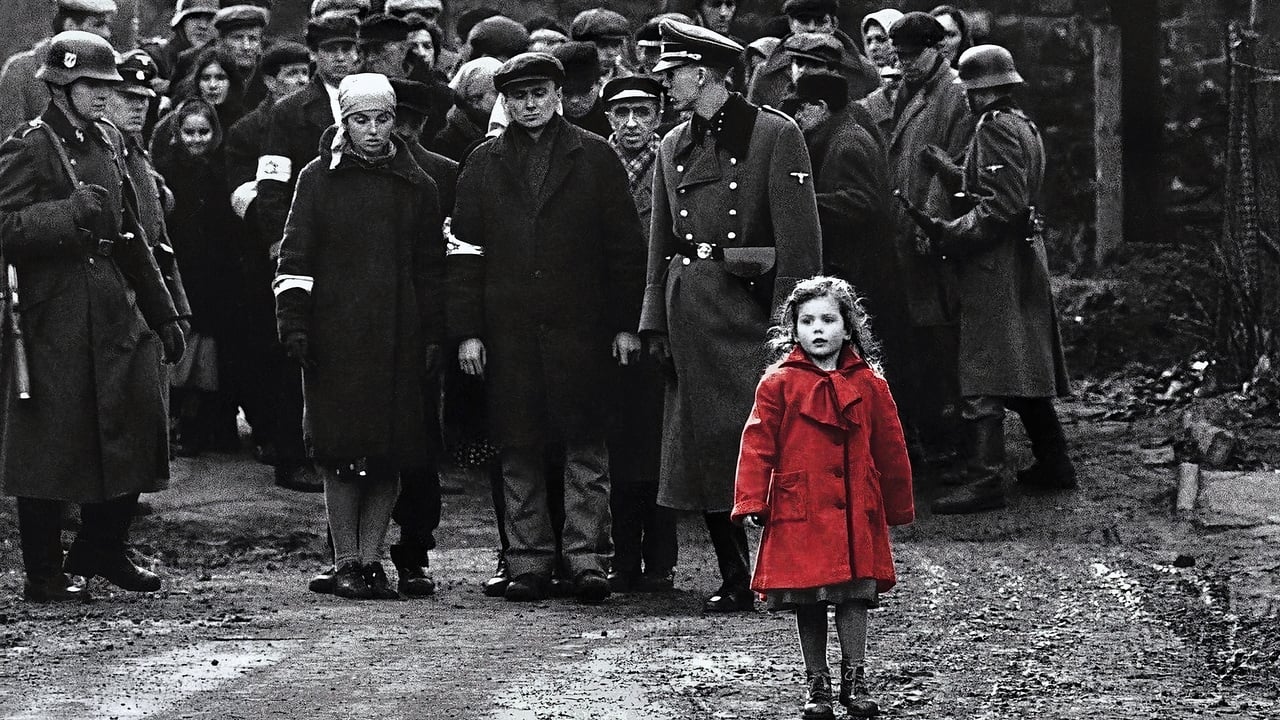
Steven Spielberg's choice to shoot in black and white creates an immediate documentary-like gravity. It strips away any sense of romanticized color, grounding the film in historical reality. A handheld camera follows victims during the chaotic liquidation of the ghetto, placing us uncomfortably close to the panic and violence. Spielberg's pacing is deliberate, almost methodical, allowing horrors to unfold with chilling clarity rather than frantic editing. One specific sequence remains etched in my mind. A little girl in a red coat (the film's only significant color) walks alone through the monochrome chaos. The camera tracks her as a solitary point of innocence amidst the atrocity. Later, we see that same coat on a pile of bodies. That visual motif, sparingly used, carries an emotional weight far greater than any dialogue could. The direction never sensationalizes. Instead, it observes, making the viewer a witness.
Performances
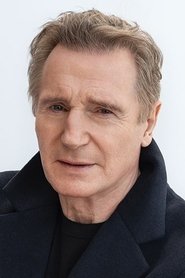
Liam Neeson's Schindler is a performance of physical transformation. He begins with a swagger, his tall frame filling rooms with confident charm. As the war progresses, Neeson lets that stature diminish. His shoulders hunch, his eyes hold a new, weary guilt. In the final scenes, his breakdown is raw and unpolished, a man shattered by the scale of what he couldn't do. Ben Kingsley's Itzhak Stern operates in silent contrast. He communicates urgency through slight glances and measured whispers. His posture is perpetually cautious, a man surviving by appearing insignificant. Kingsley makes Stern's intelligence and compassion palpable without a single grand speech. Ralph Fiennes embodies monstrous caprice. Amon Goeth is terrifying not for his consistent rage, but for his unpredictability. Fiennes switches from charming banter to cold-blooded murder in a heartbeat. He lounges on his balcony, rifle in hand, treating human lives as targets for casual sport. This casualness is what makes his villainy so unsettling.
- Liam Neeson as Oskar Schindler
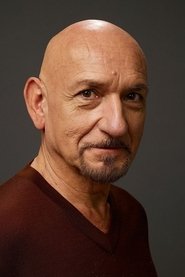
- Ben Kingsley as Itzhak Stern
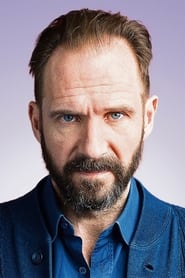
- Ralph Fiennes as Amon Goeth
- Caroline Goodall as Emilie Schindler
- Jonathan Sagall as Poldek Pfefferberg
Themes & Emotional Depth
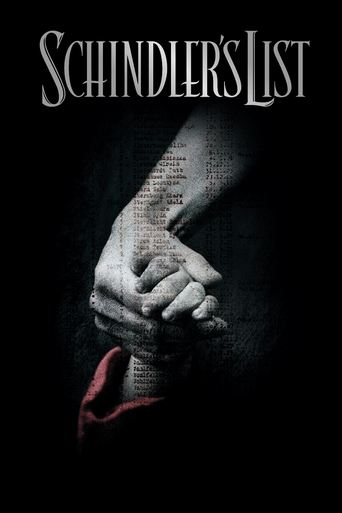
Beyond the historical record, the film explores the mechanics of moral choice within an immoral system. It asks how humanity persists in a machine designed to destroy it. Schindler's story shows that heroism can be pragmatic, messy, and born from compromise. The list itself is a powerful symbol. It transforms from a mere roster of workers into a sacred document, a ledger of life against the Nazi ledger of death. The recurring motif of lists and numbers highlights the bureaucratic nature of the genocide, and the subversive power of using that bureaucracy for good. The theme is universal: the capacity for good in flawed people. It rejects the idea of heroes as purely virtuous, presenting them instead as individuals who choose to act despite their flaws and the overwhelming pressure not to.
What Works
The commitment to black-and-white photography creates an immersive, historical texture that color would have softened. Spielberg's restraint in depicting violence—showing it directly but without glamour—makes it more impactful. Liam Neeson's transformation from charismatic entrepreneur to broken humanitarian is perfectly paced and deeply convincing. The screenplay balances the epic scale of the genocide with intimate, personal stories, like the couple married in the barracks. This prevents the history from feeling abstract.
What Doesn’t Work
The film's runtime, at over three hours, is demanding. Some viewers may find the pacing in the middle section, which details the factory's daily operations, slightly slow. Caroline Goodall's role as Emilie Schindler is somewhat underdeveloped; her perspective and contributions feel peripheral to the main narrative. These are minor flaws in a vast and carefully constructed work, but they are noticeable.
Who Should Watch It?
Viewers interested in historical drama, World War II narratives, and ethically complex character studies will find this film essential. It rewards attention and emotional engagement. Those seeking light entertainment or fast-paced action will struggle. The subject matter and stark presentation require a prepared and serious viewer.
Final Verdict
Schindler's List is a monumental achievement in filmmaking. It handles its grave subject with the respect and clarity it demands. The performances, direction, and emotional weight combine to create a necessary, if difficult, viewing experience. I rate it 8.5 out of 10. It is a film that defines the responsibilities of historical cinema. You should watch it to understand how cinema can bear witness to both humanity and its failures.