- 1Movie Overview
- 2Direction & Cinematography
- 3Cast & Performances
- 4Character Psychology
- 5Themes & Emotional Depth
- 6Memorable Scenes & Dialogue
- 7The Ending — Does It Deliver?
- 8What Works
- 9Honest Criticism
- 10How It Compares
- 11Legacy & Cultural Impact
- 12Behind the Scenes
- 13Who Should Watch It?
- 14Final Verdict
- Genre: Thriller, Crime, Comedy
- Director: Quentin Tarantino
- Year: 1994
- Runtime: 2h 34m
- Language: English (EN)
- TMDB Rating: ⭐ 8.5/10
- Editor’s Rating: ⭐ 8.5/10
Movie Overview
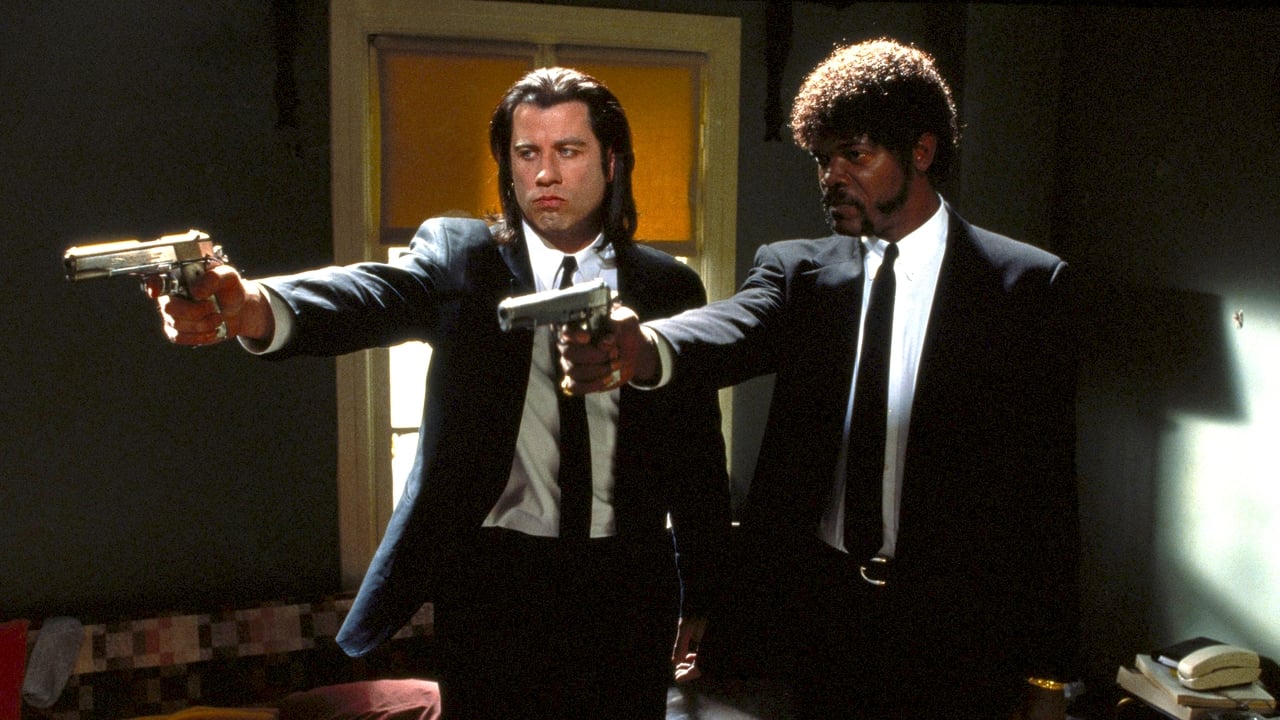
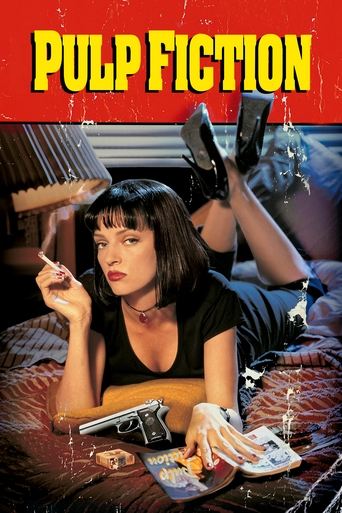
A simple task—delivering a briefcase—sends two hitmen on a collision course with chaos. Vincent Vega (John Travolta) and Jules Winnfield (Samuel L. Jackson) debate burgers and divine intervention between hits. Their story violently intersects with a boxer, Butch Coolidge (Bruce Willis), who double-crosses a crime boss. Meanwhile, Vincent's awkward date with his boss's wife, Mia Wallace (Uma Thurman), takes a dark, drug-fueled turn. The film presents these events out of order, forcing you to piece together cause and effect. By the final act, seemingly minor characters from one story become crucial in another. This structure creates a strange sense of fate connecting everyone.
Direction & Cinematography
Quentin Tarantino directs with a confident, referential swagger. His camera often sits low, following characters from behind as they walk and talk through mundane locations. The infamous dance sequence at Jack Rabbit Slim's uses a wide, stationary shot, making Travolta and Thurman's awkward moves the entire focus. Tarantino deliberately slows the pacing during long dialogue scenes about foot massages or TV pilots. This makes the sudden, shocking bursts of violence land with brutal impact. He treats crime genre tropes with both reverence and absurdist humor, constantly keeping the tone unstable.
Cast & Performances
Samuel L. Jackson gives Jules a terrifying, preacher-like intensity. His delivery of the "Ezekiel 25:17" speech shifts from calm to explosive rage in a heartbeat. John Travolta's Vincent is all loose-limbed, weary cool. He physically slumps through scenes, his eyes often glazed, making his panic during Mia's overdose visceral. Uma Thurman’s Mia is a captivating enigma. She plays the gangster's moll with a childlike curiosity that masks deep boredom, especially in her silent, wide-eyed stare during the overdose. Bruce Willis embodies battered pride as Butch, his performance mostly physical—a man who thinks with his fists.
- John Travolta as Vincent Vega
- Samuel L. Jackson as Jules Winnfield
- Uma Thurman as Mia Wallace
- Bruce Willis as Butch Coolidge
- Ving Rhames as Marsellus Wallace
Character Psychology
Jules Winnfield wants to be a feared professional killer, quoting scripture to justify his work. What he needs is a sign to escape the life entirely. His climactic decision hinges on reinterpreting a violent moment as divine mercy, not random luck. Vincent Vega wants to appear cool and in control, whether handling a heroin overdose or a date with his boss's wife. His need is deeper connection, but his addiction and paranoia keep him isolated and doomed. He is trapped by his own inability to change, making his fate feel inevitable.
Themes & Emotional Depth
Beneath the pop-culture chatter and violence, the film explores redemption and chance. Characters debate whether miracles are divine intervention or mere coincidence, questioning if anyone can truly change their path. It's also about storytelling itself—how we impose narrative order on chaotic lives. The non-linear structure mirrors how people recall traumatic events, focusing on key moments out of sequence. The briefcase with its glowing contents becomes a MacGuffin representing whatever anyone desires—money, salvation, or simply a way out.
Memorable Scenes & Dialogue
The adrenaline needle to the heart scene is horrifyingly clinical. The tension comes from Tarantino's unflinching, close-up focus on the medical procedure, contrasting with the frantic panic just moments before. The "Royale with Cheese" conversation is iconic because it grounds hitmen in utterly banal reality. Their debate about European fast food makes them relatable before we see them kill. Christopher Walken's cameo as Captain Koons, telling a young Butch about a watch hidden in a rectum, works because of his deadpan, solemn delivery of an utterly ridiculous story.
The Ending — Does It Deliver?
The final diner showdown feels earned because Jules's philosophical crisis has been building. His choice to spare the would-be robbers isn't a sudden change, but the culmination of his questioning. The scene surprises by resolving not with a shootout, but with a tense, verbal confrontation. It leaves you with a strange mix of relief and unease. The film then circles back to its beginning, creating a loop that suggests cycles of violence can be broken, but only through conscious, difficult choice.
What Works
The dialogue crackles with a rhythmic, mundane poetry that makes hitmen discussing burgers fascinating. The non-linear structure creates constant surprise, rewarding repeat viewings as connections snap into place. The soundtrack is perfectly curated, using surf rock and soul to ironically comment on the violence. Performances are uniformly committed, with Jackson and Thurman creating characters that feel entirely original. The film's confidence in its own weird tone—shifting from comedy to horror to drama—is its greatest strength.
Honest Criticism
The film's sprawling nature means some segments feel more vital than others. Butch's story, while entertaining, has a slightly different, more straightforward adventure tone that doesn't always mesh. The runtime can feel long during some of the more extended dialogue exchanges, testing patience for viewers who prefer plot to conversation. A few of the period-specific cultural references now feel dated rather than timeless.
How It Compares
Unlike the operatic tragedy of "The Godfather" or the gritty realism of "Mean Streets," "Pulp Fiction" treats crime with postmodern irony and pop-culture self-awareness. Compared to Tarantino's own "Reservoir Dogs," it's more sprawling and tonally adventurous, weaving comedy and philosophy into the violence. It shares DNA with later nonlinear crime films like "Go" or "Lock, Stock and Two Smoking Barrels," but its dialogue-driven scenes and moral questioning give it more weight beneath the cool surface.
Legacy & Cultural Impact
It won the Palme d'Or at Cannes and was a major box office success, proving independent film could reach mass audiences. It revitalized John Travolta's career and made Samuel L. Jackson a star. Its non-linear narrative, pop-culture-heavy dialogue, and mix of extreme violence with comedy became hugely influential on 90s cinema. It sparked endless debate about its meaning and style, cementing Tarantino as a defining auteur of his generation. The film's structure and attitude are now foundational to how modern crime stories are told.
Behind the Scenes
The role of Jules was written specifically for Samuel L. Jackson after Tarantino saw him in "Jungle Fever." The iconic dance sequence was choreographed by Travolta himself, drawing on his disco experience from "Saturday Night Fever." The glowing contents of the briefcase were never specified; Tarantino has said it's whatever the viewer thinks is valuable enough to die for.
Who Should Watch It?
Viewers who love witty dialogue, unconventional storytelling, and genre deconstruction will find it endlessly rewarding. Those who prefer linear plots, clear moral protagonists, or are sensitive to graphic violence and strong language will likely struggle. It's a film for an active viewer who enjoys putting the pieces together.
Final Verdict
Pulp Fiction remains a landmark achievement for its bold narrative structure and unforgettable dialogue. It is a film that rewards multiple viewings, revealing new layers each time. The performances are iconic, and Tarantino's direction is unmistakably confident. I rate it 8.5 for its cultural impact and sheer originality, even if its sprawling nature has minor pacing dips. Watch it to experience the moment 90s independent cinema exploded into the mainstream with a bang.