- 1Movie Overview
- 2Direction & Cinematography
- 3Cast & Performances
- 4Character Psychology
- 5Themes & Emotional Depth
- 6Memorable Scenes & Dialogue
- 7The Ending — Does It Deliver?
- 8What Works
- 9Honest Criticism
- 10How It Compares
- 11Legacy & Cultural Impact
- 12Behind the Scenes
- 13Who Should Watch It?
- 14Final Verdict
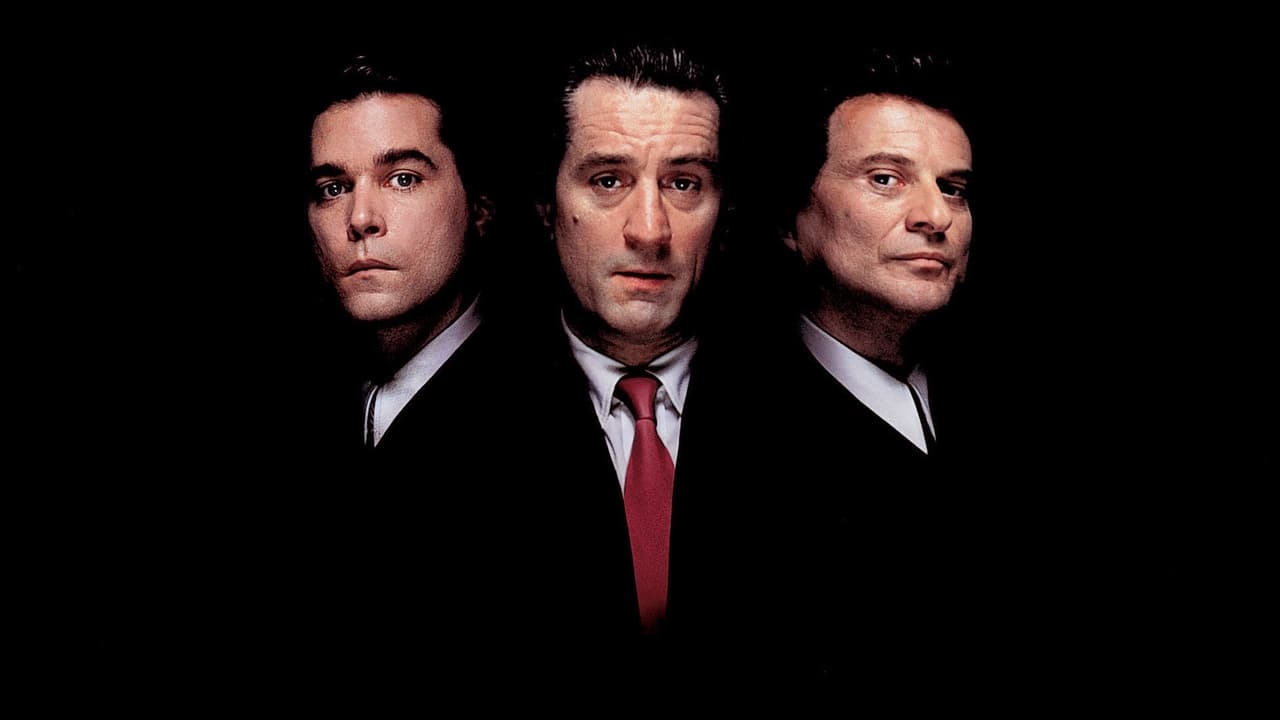

- Genre: Drama, Crime
- Director: Martin Scorsese
- Year: 1990
- Runtime: 2h 25m
- Language: English (EN)
- TMDB Rating: ⭐ 8.5/10
Movie Overview
GoodFellas opens with a jolt: three mobsters in a car hear a thumping from the trunk, pull over, and one of them stabs the body inside half a dozen times. And the narrator, Henry Hill, immediately undercuts the horror with a voiceover, “As far back as I can remember, I always wanted to be a gangster.” That’s the film’s world in a nutshell—brutality wrapped in a seductive, thrilling package, narrated by a man who thinks it’s all a dream come true. We follow Henry from being a wide-eyed kid running errands for the local mobsters to becoming a key player alongside the volatile Tommy DeVito and the perpetually scheming Jimmy Conway. They live a life of flashy suits, endless cash, and no consequences, or so it seems. The second half of Scorsese’s film meticulously tracks how that dream curdles. The money gets bigger, the schemes more reckless, and the paranoia—fueled by cocaine and federal wiretaps—becomes a constant, suffocating presence. The fun drains away, replaced by frantic glances over the shoulder and the slow, terrifying realization that the rules of the life you joined are the very ones that will destroy you.
Direction & Cinematography
Scorsese directs GoodFellas with the manic energy of a man possessed. The camera almost never stops moving, gliding through backrooms and nightclubs, placing you right in the middle of the action. It feels less like watching a movie and more like being embedded in the crew. What struck me on rewatch is how the filmmaking itself mirrors Henry’s mental state. The famous Steadicam shot through the Copacabana’s back entrance is a masterpiece of choreography and seduction—we’re as dazzled by the red-carpet treatment as Henry is. But the film pivots in its final act. The editing becomes jagged, jumpy; the camera jerks around. A simple trip to buy cigarettes feels like a paranoid thriller. Scorsese doesn’t just tell us Henry’s life is falling apart, he makes us feel the disorientation and panic in our bones. Personally, I think this control of tone—from exhilarating to exhausting—is the film’s greatest trick.
Cast & Performances
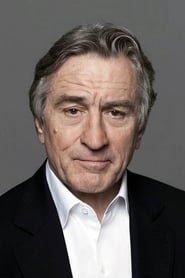
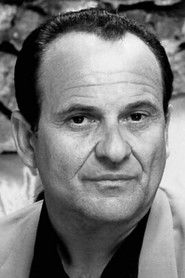
Ray Liotta’s Henry Hill is the perfect, hollow center. His wide, unnerving smile sells the initial allure, but his eyes gradually become windows to a mounting panic. He’s not a traditional tough guy; he’s a middleman who survives on charm, and Liotta makes you understand why people trust him. Joe Pesci, of course, is the film’s live wire. The ‘funny how?’ scene isn’t just famous for its menace; it’s the precision of Pesci’s shifts from jovial to lethal in a microsecond that makes it so terrifying. He’s not performing for the audience, he’s performing for the table, and that’s what makes it feel so real. Robert De Niro’s Jimmy Conway is a quieter, more insidious force. Watch him in the bar after the Lufthansa heist—he barely says a word, but the slow, deliberate way he sips his drink and scans the room tells you everything about his cold, calculating suspicion. Lorraine Bracco, as Henry’s wife Karen, gives the mob-wife archetype real spine and desperation. Her monologue about flushing cocaine down the toilet, delivered directly to the camera, is a raw, brilliant moment of shared panic.
Character Psychology
Henry Hill wants respect, money, and the exciting life he saw from his window as a kid. He wants to be a somebody in a world where being a nobody is the worst fate. What he needs is stability, family, and a self that isn’t defined by the approval of criminals. The tragedy is he gets everything he wants and it poisons him. He never becomes self-aware until it’s far too late. The film’s final, bitter punchline is that the most exciting day of his life is the morning he gets to be a schnook, a nobody, in witness protection. He’s traded a prison of his own making for a different, lonelier cage. He fails to change because the person he built was a fiction.
Themes & Emotional Depth
GoodFellas isn’t really a film about crime. It’s a film about work. The grinding, day-to-day labor of being a gangster—hijacking trucks, shaking down shop owners, dealing with unions. The glamour is just the marketing. The real theme is the corruption of the American Dream, showing how the pursuit of easy money and status leads not to freedom, but to a prison of paranoia and moral decay. It’s also about storytelling. Henry’s voiceover is his own justification, his own myth-making. The film lets him sell us his dream, then slowly peels back the layers to show the rot underneath. The famous final shot—Henry looking directly at us, betrayed and boring—is the story ending. The dream is over, and the teller is left with nothing but the tale.
Memorable Scenes & Dialogue
1) The Copa entrance: A single, unbroken Steadicam shot that follows Henry and Karen from the street, through the kitchen, and into the heart of the nightclub. It works because it’s pure cinematic seduction. The camera *becomes* their VIP status, granting them (and us) instant, effortless access to a world of power. Every staff member knows Henry’s name; a table appears from nowhere. It’s the entire mob fantasy condensed into three minutes. 2) The ‘funny how?’ scene: Tommy telling a story, Henry laughing, and then Tommy turning on a dime: “I’m funny how? Funny like a clown?” The craft here is in the staging—they’re all trapped at a small table. There’s no escape. Pesci’s performance is a masterclass in unpredictable menace, but it’s the reactions of Liotta and the others, frozen in a smile that’s dying on their faces, that sell the terror. 3) Karen’s cocaine monologue: Bracco, in extreme close-up, talking directly to the camera about flushing $60,000 of cocaine down the toilet as helicopters circle. It breaks the fourth wall at the moment of maximum panic, dragging us into her hysterical, claustrophobic reality. The writing is frantic, almost stream-of-consciousness, and it’s the moment the film’s glamour fully shatters.
The Ending — Does It Deliver?
The ending is absolutely earned. The entire third act is a masterfully constructed unraveling, with Henry snorting cocaine to stay awake, seeing helicopters that may or may not be there, and trying to cook a meal for his family while running multiple crimes. It’s chaotic, blackly comic, and deeply sad. The final sequence, with Henry ratting out his friends, didn’t surprise me in terms of plot, but the emotional tone did. I wasn’t expecting the profound emptiness of it. The feeling the final shot leaves you with isn’t triumph or tragedy, but a hollow, mundane relief. Henry gets what he asked for—safety—and it tastes like nothing. He’s finally a schnook, and he hates it.
What Works
Scorsese’s direction is a relentless, propulsive force that makes a two-and-a-half-hour film fly by. The editing by Thelma Schoonmaker is a character in itself, using quick cuts, freeze-frames, and montages to create a breathless, immersive rhythm. Joe Pesci’s Tommy is a landmark performance of unpredictable violence that still hasn’t been topped. The use of music isn’t just soundtrack; it’s a narrative device, with songs like ‘Sunshine of Your Love’ scoring a murder or ‘Layla’s’ piano coda underscoring a montage of dead bodies. These choices aren’t just stylish; they’re how the film thinks and feels.
Honest Criticism
Honestly, the criticism here is minor. Some of the female characters, particularly Henry’s mistress Janice, feel like thin caricatures compared to the richly drawn men, existing mostly to cause trouble or be dismissed. It’s a product of its perspective—Henry’s—but it still stands out. And while the frantic final act perfectly mirrors Henry’s mental collapse, the sheer pace and volume of incidents (the helicopter, the cooking, the drug deal) can feel a bit exhausting on first watch, almost like sensory overload. But maybe that’s the point.
How It Compares
Compared to *The Godfather*, which is a stately epic about power and dynasty, *GoodFellas* is a street-level, adrenaline-fueled blast about the guys who do the work. It’s more visceral and less romantic. It beats Coppola’s film in sheer kinetic energy and its unflinching look at the grubby, day-to-day reality. Where it falls short, for some, is in mythic grandeur; there are no Vito Corleones here, just petty, greedy, and deeply flawed men. Next to Scorsese’s own *Casino*, *GoodFellas* feels tighter, more focused, and ultimately more effective. *Casino* expands the scope but loses some of the intimate, character-driven propulsion that makes *GoodFellas* so relentless.
Legacy & Cultural Impact
*GoodFellas* was nominated for six Oscars, with Joe Pesci winning Best Supporting Actor. While it was a solid box office success, its true legacy is as a cultural touchstone and a blueprint for the modern crime film. Its frenetic editing, rock-and-roll soundtrack, and breaking of the fourth wall have been imitated endlessly (see: Guy Ritchie, and nearly every HBO crime series). It redefined Ray Liotta’s career and cemented Pesci’s place in cinema history. The film matters because it stripped the mob movie of its opera and replaced it with a jukebox and a cocaine-fueled panic attack, influencing everything from *The Sopranos* (which shares its mundane, domestic mob concerns) to *The Wolf of Wall Street*.
Behind the Scenes
- The ‘funny how?’ scene was largely improvised by Pesci, based on a real experience he had as a young waiter where he complimented a mobster and was met with terrifying aggression. He told the story to Scorsese, who told him to do it to Liotta on camera. Liotta’s confused reactions are genuine. 2) Martin Scorsese’s mother, Catherine, plays Tommy DeVito’s mother in the famous dinner scene where she gets him a painting to ‘fix.’ 3) The real Henry Hill was on set as a technical advisor. Reportedly, he was upset that the actor playing him (Liotta) was better looking.
Who Should Watch It?
If you love crime sagas with crackling dialogue, complex characters, and filmmaking that feels alive, this is one of the best ever made. If you prefer slower, more contemplative dramas or are put off by intense violence and rampant profanity, you’ll find it grating and overlong.
Final Verdict
GoodFellas is a near-perfect engine of a film. It’s exhilarating, funny, terrifying, and finally, deeply sobering. The 8.2 rating reflects the few minor character flaws, but it doesn’t detract from the overall experience. You watch it not for a moral lesson, but for the sheer, intoxicating craft of the storytelling and the unforgettable, lived-in performances. Ultimately, you should watch it to see how a master filmmaker makes entropy and moral decay feel thrilling, right up until the moment it doesn’t.
More details, ratings, and cast information on IMDb, TMDB, Wikipedia. YouTube →